
Time-To-Failure
Know how long critical equipment can safely continue to operate
Denfab evaluates the condition, governing failure mechanisms and operating limits of in-service equipment so teams can make defensible decisions on continued service, repair, monitoring or planned replacement.
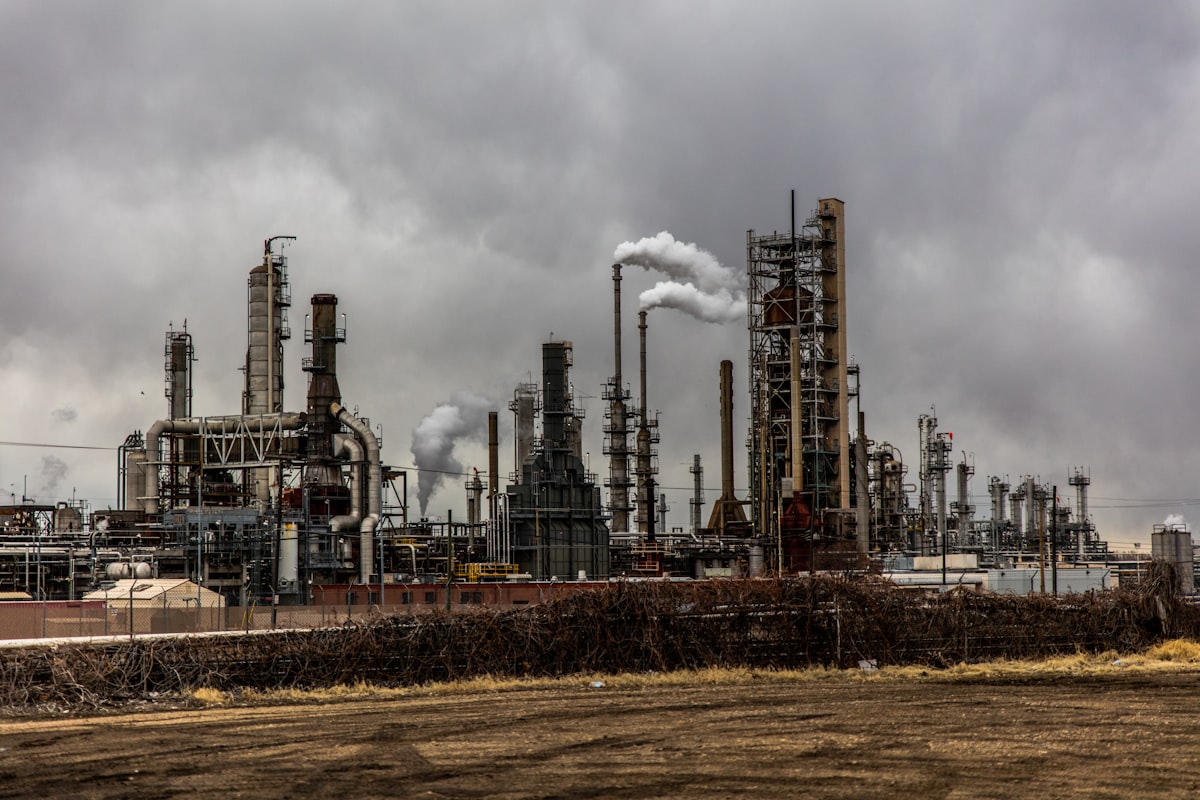
Assess the condition → model the governing failure mechanisms → establish safe limits → recommend the next action.
A Practical Assessment Pathway
Assess the condition → model the governing failure mechanisms → establish safe limits
What We Investigate
What You Gain
Energy and process conditions affecting time-to-failure.
Operating beyond design duty, thermal transient shock, uneven velocity profiles, and local hotspots significantly accelerate metal creep, stress-corrosion cracking, and fatigue thinning.
Relevant Engineering Services
FEA | CFD | Thermal and flow analysis | Structural analysis | Fatigue and creep assessment | Non-destructive evaluation interface
Applications
In-operation Piping and vessels, boilers, WHRUs, heat exchangers, compressor skids, tanks, and structural supports across chemical, refining, offshore, and heavy power generation.
Protect Critical Capital Assets
Reduce the risk of catastrophic equipment failure with defensible decisions.